There’s a particular kind of story that gets told in the Ozarks. It usually involves someone doing something they shouldn’t, a mystery that needs solving, and a whole lot of embellishment by the time it makes its third pass around the dinner table. These hills have been collecting tall tales, ghost stories, and outlaw legends for generations, and somehow every single one gets better with age.
The Ozarks don’t just have folklore. They practically invented a style of storytelling that blends fact with fiction so thoroughly you can’t tell where history ends and legend begins. Was Jesse James really hiding in that cave? Did that ghost actually appear at the old mill? Who knows. But the story sure is good.
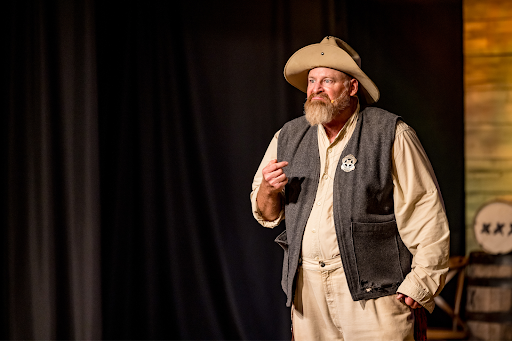
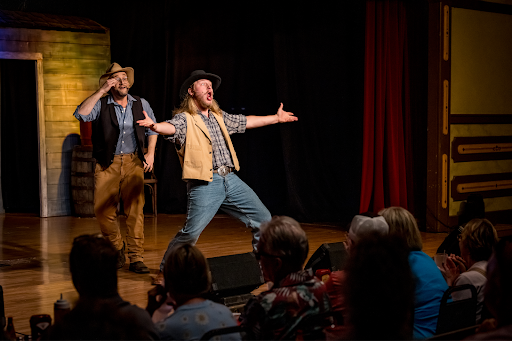
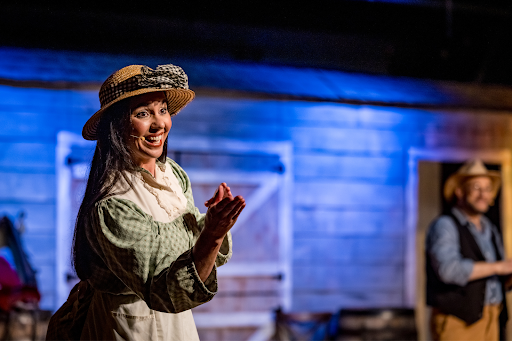
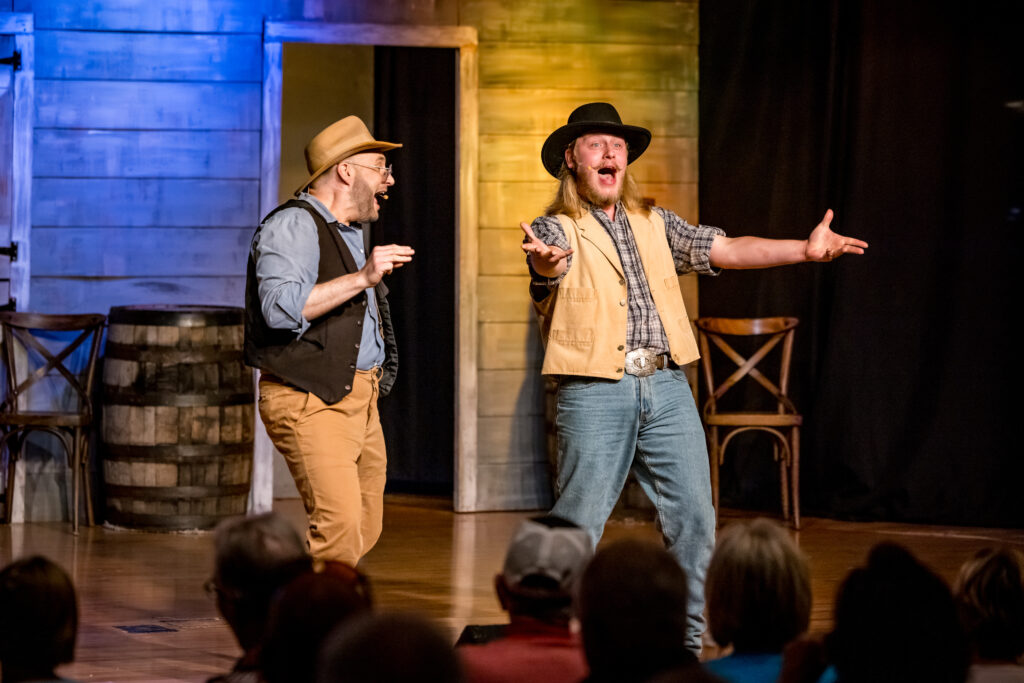
This tradition of spinning yarns about criminals, mysteries, and unexplained happenings didn’t come from nowhere. It grew naturally from the landscape, the people, and the kind of rough history that makes for compelling stories. And it’s still alive today at places like the Whodunnit Hoedown, where the mystery-telling tradition continues with a comedic twist.
Where Ozark Folklore Comes From
The people who settled the Ozarks in the 1800s came mostly from Appalachia, bringing with them British and Irish folk traditions. They arrived in these remote hills and found themselves pretty much isolated from the rest of the world. No fancy newspapers. No regular mail service. Just neighbors and whatever stories you could swap when you gathered for a barn raising or a hoedown.
In that environment, storytelling became entertainment, education, and news all rolled into one. Parents told their kids cautionary tales about what happens when you wander too far into the woods. Neighbors shared gossip about the strange hermit living two hollows over. Someone always knew someone who’d seen something unexplainable.
Historian Vance Randolph spent decades collecting Ozark folklore in the early 1900s, and what he found was a rich tradition of outrageous tales that families had been passing down for generations. He noted that backwoods parents would start by telling wild stories to their kids and end up half-believing them themselves. That’s how folklore works. Tell a story enough times, and it takes on a life of its own.
Common themes in Ozark folklore:
- Hidden treasure left by outlaws or Civil War soldiers
- Ghosts haunting old homesteads and battlefields
- Mysterious creatures in the deep woods
- Family feuds that lasted generations
- Deals with the devil gone wrong
- Folk magic and healing remedies
These weren’t just campfire stories. They reflected real anxieties and experiences. The Civil War had torn communities apart. Poverty was grinding. The wilderness could be dangerous. So people told stories that helped them process all that hardship, sometimes by turning it into something darkly humorous or supernatural.
The Outlaw as Folk Hero
One of the most persistent types of Ozark folklore involves outlaws, particularly the James-Younger Gang. By the time Jesse James was killed in 1882, he’d already been transformed by storytellers into something more than a criminal. He became a symbol, a rebel, a figure who refused to bow down to authority.
Never mind that the real Jesse James was a violent man who killed innocent people. The folk version was different. In Ozark folklore, Jesse was the underdog fighting against corrupt banks and railroads. He was the trickster who always outsmarted the law. He was practically Robin Hood with a six-shooter.
This transformation happened because communities needed these stories. After the Civil War, many Ozark families felt betrayed by the federal government and exploited by Northern businesses. Jesse James, former Confederate guerrilla turned outlaw, became a way to express that resentment through storytelling. The facts mattered less than what the story represented.
The same thing happened with other regional outlaws. The Bald Knobbers, a vigilante group that operated in the Ozarks in the 1880s, got mythologized in completely contradictory ways. Some stories paint them as heroes bringing justice to lawless areas. Others describe them as terrorists in masks. Both versions exist in Ozark folklore because people tell the version that fits their family’s experience.
Mystery and Superstition in the Hills
Ozark folklore isn’t just about outlaws. There’s a whole tradition of supernatural stories and local mysteries that still get told today. Every county has its haunted bridge. Every town has a house where something terrible supposedly happened. And everyone’s grandmother knew someone who could hex you or cure warts with folk magic.
These stories served a purpose beyond entertainment. In isolated communities without much access to doctors or law enforcement, folk beliefs filled in the gaps. If you couldn’t afford a doctor, maybe a local healer with knowledge of herbs could help. If the sheriff was three days’ ride away, maybe the threat of a family curse would keep your neighbor from stealing your livestock.
The Ozarks developed a reputation for being mysterious and slightly dangerous, full of people who knew things outsiders didn’t. Some of that was reality (the terrain really was hard to navigate, and some communities really were suspicious of strangers). But a lot of it was folklore building on itself, creating an image of the Ozarks as a place where strange things happened and secrets stayed buried.
The Hoedown Tradition
Music and gathering traditions were central to Ozark social life, and hoedowns were where communities came together. These weren’t just dances. They were chances to catch up on news, settle disputes, arrange marriages, and yes, tell stories about whatever scandal or mystery was currently occupying everyone’s attention.
A good hoedown brought everyone out: young and old, families from miles around, musicians who’d been playing the same tunes their grandparents taught them. The fiddle was king, and if you could make that instrument sing, you were respected. These gatherings lasted all night sometimes, with breaks for eating and gossiping between dance sets.
The social dynamics at hoedowns were intense. Romances bloomed. Rivalries simmered. Someone was always watching someone else a little too closely. It’s no wonder that hoedowns show up in Ozark folklore as settings for drama, both real and imagined. When you put a whole community in one room with music, dancing, and probably some homemade liquor, stories are bound to happen.
From Oral Tradition to Live Entertainment
The leap from traditional Ozark storytelling to modern entertainment isn’t as big as you might think. The Ozarks have always understood that a good story, well told, is valuable. That’s why Branson became an entertainment destination in the first place. The region had generations of practice putting on a show.
Harold Bell Wright’s novel “The Shepherd of the Hills,” published in 1907, helped cement the Ozarks’ reputation as a place of mystery and colorful characters. The book became a phenomenon, and eventually the story came to life through outdoor drama productions. People wanted to experience these Ozark tales in person, not just read about them.
The Whodunnit Hoedown fits perfectly into this tradition. It takes the classic Ozark setting (a hoedown), adds a mysterious death (just like the old stories), includes colorful local characters (a requirement for any good Ozark tale), and invites the audience to be part of solving it. It’s interactive folklore.
The murder of Squeeky Bowman isn’t real, but it feels real in the way good Ozark stories always have. You’re not sure who to trust. Everyone’s got secrets. The truth is hiding in plain sight if you’re clever enough to see it. These are the same elements that made Ozark folklore compelling for generations.
Why These Stories Still Matter
In an age when we can look up any fact instantly on our phones, you might think folklore would fade away. But it hasn’t. If anything, people are hungrier than ever for stories that feel authentic and rooted in place. We’re tired of generic entertainment that could happen anywhere. We want stories that belong to somewhere specific.
Ozark folklore works because it’s deeply tied to the landscape and history of this region. The stories make sense here in a way they wouldn’t somewhere else. When you’re surrounded by these ancient hills and winding rivers, tales of hidden caves and mysterious strangers don’t seem so far-fetched. The setting gives the stories power.
Modern takes on this tradition, like murder mystery dinner theater, keep the spirit alive while making it accessible to contemporary audiences. You get the mystery and intrigue that Ozark storytellers have always specialized in, but now it comes with dinner, professional actors, and a guarantee that no actual outlaws will rob you on your way home.
Frequently Asked Questions
Is Ozark folklore based on real events?
Sometimes. Many stories have kernels of truth that got exaggerated over generations of retelling. The best folklore blends real history with creative embellishment until you can’t separate them.
Why are there so many outlaw stories in the Ozarks?
The Civil War created a lot of guerrilla fighters and displaced people who turned to crime. The rugged terrain made the Ozarks ideal for hiding from authorities. Plus, communities often protected outlaws they saw as fellow Southerners being persecuted by Northern carpetbaggers.
Does the Whodunnit Hoedown include real Ozark folklore?
The show is inspired by Ozark traditions of storytelling, hoedown gatherings, and colorful characters, but Squeeky Bowman and his murder are fictional. Think of it as folklore for the modern age.
Are people in the Ozarks really superstitious?
Like any region with a strong oral tradition, some folk beliefs persist. But most people today see them as cultural heritage rather than literal truth. The stories get told because they’re part of regional identity.
Keeping the Tradition Alive
The Ozarks have always been about stories. From families swapping tales around the fire to professional entertainers keeping audiences on the edge of their seats, the impulse is the same. We want mystery. We want characters larger than life. We want to feel connected to the place we’re in and the people around us.
The Whodunnit Hoedown honors that tradition while making it fresh and interactive. You’re not just hearing a story someone else tells. You’re part of it, piecing together clues and watching the mystery unfold around you. It’s folklore you can participate in, Ozark storytelling that includes the audience as characters.
So when you sit down at that hoedown and the fiddle music stops and Squeeky Bowman hits the floor, remember: you’re part of a storytelling tradition that goes back generations in these hills. The only difference is now you get to help solve the mystery instead of just passing it along to the next person.
And honestly? That’s how the old storytellers would’ve wanted it.